
BLOG - Evidencing the Wider Impacts of the Scottish Child Payment: Challenges and Opportunities
Last week, the University of Glasgow and Administrative Data Research Scotland (ADR Scotland) hosted a joint event focusing on the Scottish Child Payment (SCP) and its broader impacts on eradicating child poverty.
Introduction
The eradication of child poverty remains a core priority for the Scottish Government, and the Scottish Child Payment SCP is recognized as an important policy towards this. However, while its direct impact on reducing child poverty is evident, understanding its wider influence on health, education, family resilience, and employment is more complex.
The event brought together a diverse group of stakeholders, including researchers, policy analysts, and representatives from government and non-profit sectors and was chaired by Professor Linda Bauld, Chief Social Policy Adviser for the Scottish Government.
The meeting aimed to explore current evidence and identify future research priorities that could better inform policy and practice.
Key Sessions and Insights
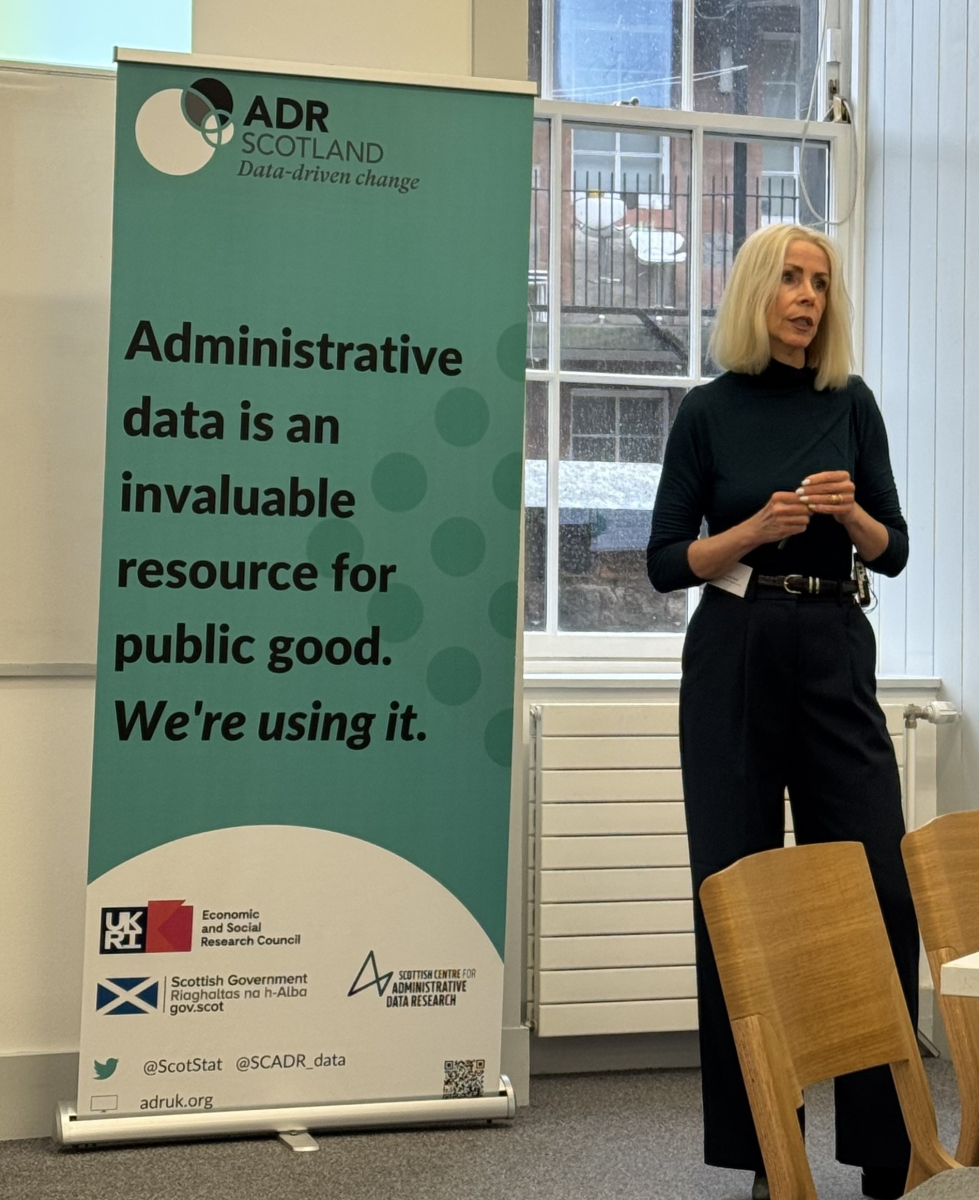
Over the course of the day, delegates heard presentations from research fellows, government analysts, the third sector and parent recipients of the SCP. Each set of presentations was followed by a panel discussion allowing for broader discussion.
Poverty and Financial Well-being session: This session highlighted the SCP's role within the broader policy context. Research indicates that the payment has prevented 40,000 children from falling into poverty in the 2025/26 period. Discussions also included evaluations of food insecurity and financial outcomes, utilizing administrative data to assess the SCP’s impact.
Wider Impacts: Presentations revealed findings from comparative studies on how the SCP aids families in Scotland compared to England, particularly in meeting essential needs and reducing material deprivation. Additionally, the session addressed concerns about the SCP as a potential work disincentive, presenting evidence that contradicts these claims.
Data Resources: An overview of vital data resources available for researchers was provided by Research Data Scotland, with an emphasis on the importance of comprehensive data in evaluating policy impacts effectively.
Round-table Discussions
During the penultimate session, lively round-table discussions were able to reflect on the presentations throughout the day and identify their key policy priorities and related research questions.
My take-home
Above all, the participants in this workshop were tremendously passionate about bringing an end to child poverty in Scotland.
This was a highly collaborative event that brought together the stakeholders required to address such a complex social issue.
As Scotland continues its efforts to tackle child poverty, events like this are crucial. They not only showcase the effectiveness of current policies but also chart a course for future research.
This article was published on 25 Mar 2026


